
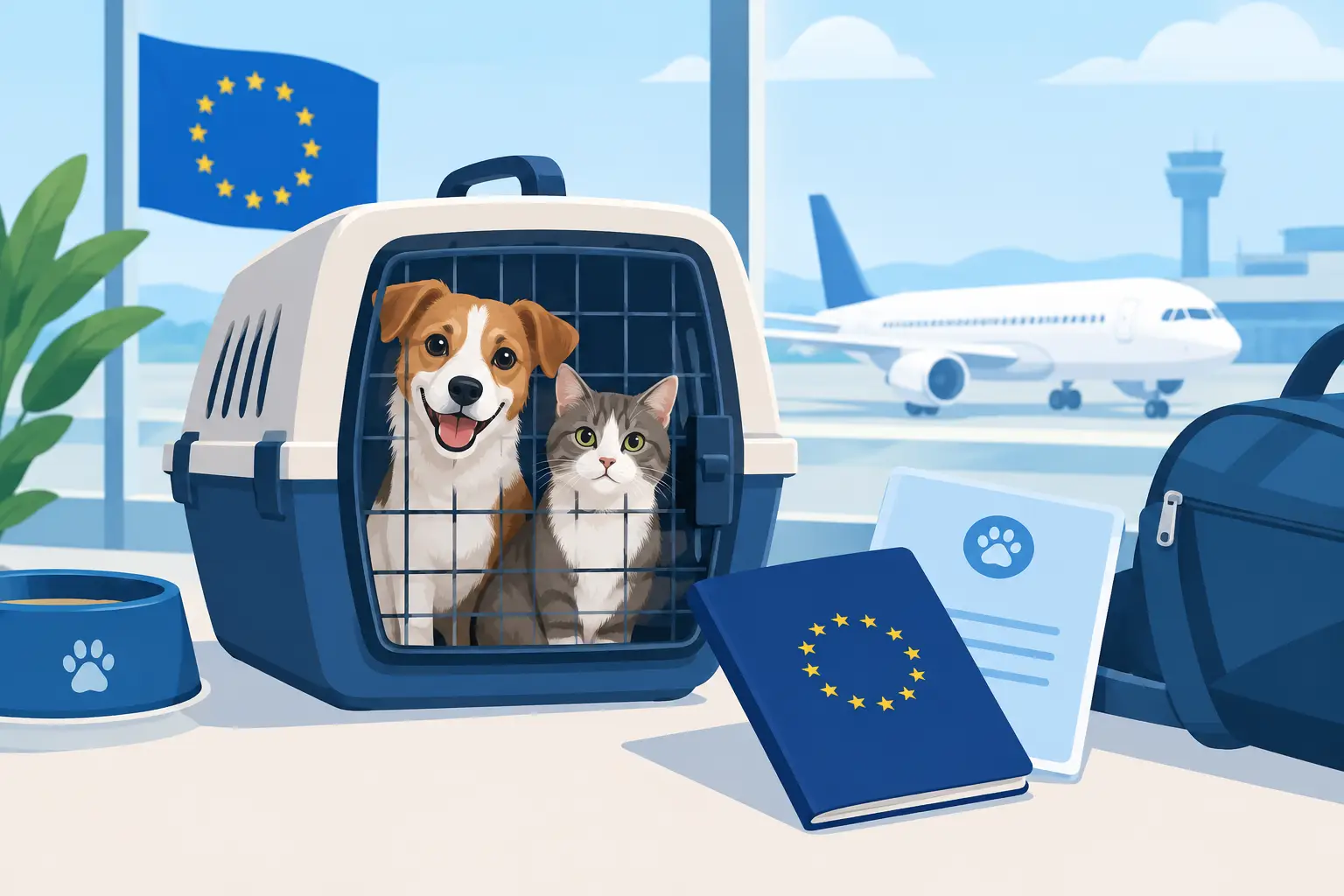
EU Journey Document Essentials for Pet Travel
Your ferry, flight or Eurotunnel booking may be confirmed, but your pet cannot travel on a booking reference alone. The EU journey document essentials for pets leaving Great Britain are time-sensitive, and one missing date or record can put a carefully planned trip at risk. The good news is that the process is straightforward when you prepare the right information before arranging your Animal Health Certificate, or AHC.
For most dogs, cats and ferrets travelling from Great Britain to the EU, the AHC is the document that proves they meet the rules for entry. It is not just a form to complete at the last minute. It relies on your pet’s microchip and vaccination history, your travel details and an examination by an Official Veterinarian. Getting those pieces ready early gives you more choice over appointment times and far less to worry about in the final days before departure.
EU journey document essentials: what your pet needs
The exact rules can vary depending on your destination, route and pet, but the core requirements for a typical trip from Great Britain to the EU are consistent. Your pet will need to be microchipped, have a valid rabies vaccination and travel with an Animal Health Certificate issued by an Official Veterinarian.
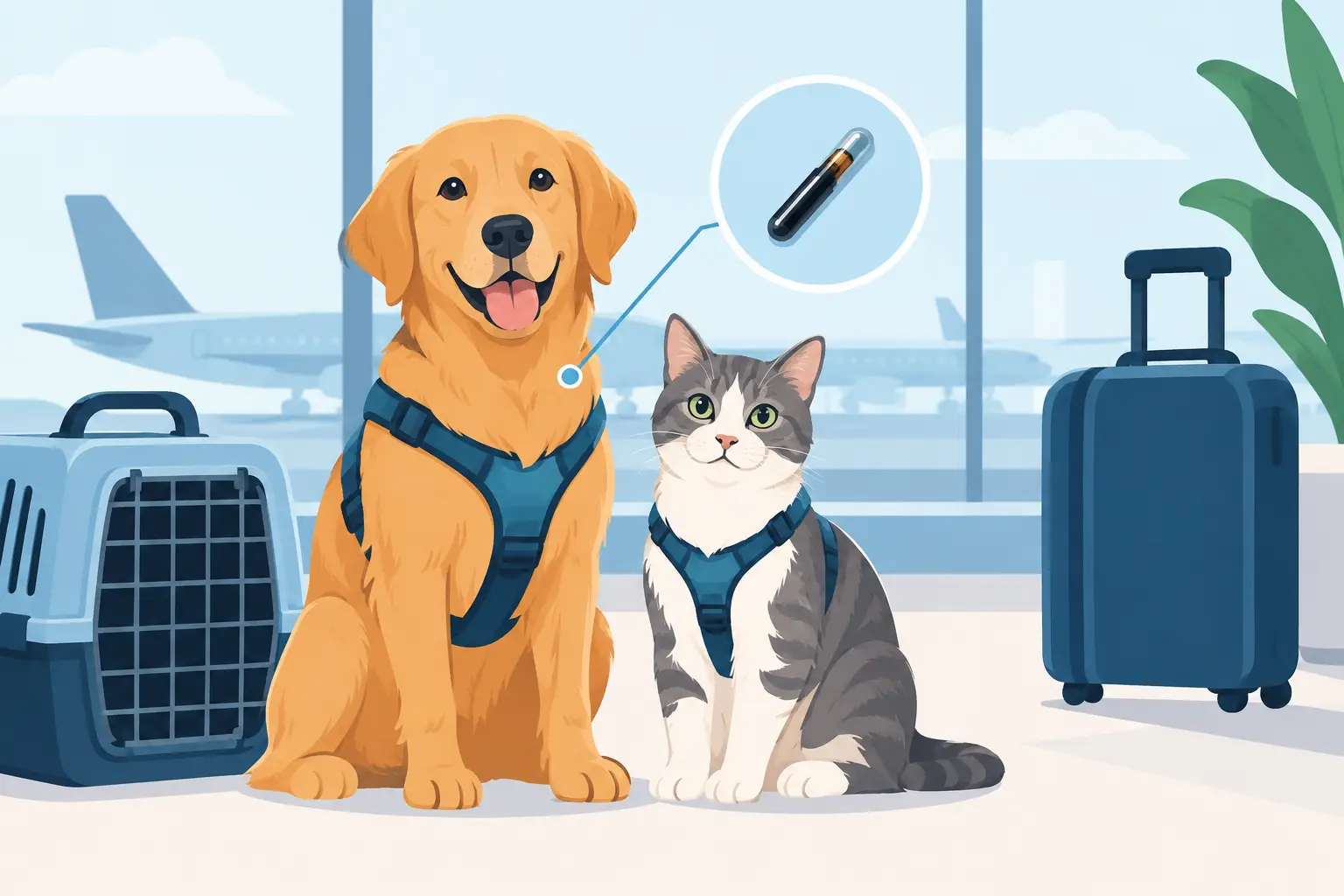
The microchip is the foundation of the paperwork. Its number must match the number recorded on the rabies vaccination certificate and the AHC. Bring any original vaccination records to your appointment and check the number yourself before you travel. A single incorrect digit can create a problem at check-in or at the border.
Rabies timing matters just as much. Your pet must be microchipped before, or at the same time as, their rabies vaccination for that vaccination to support travel. If it is their first rabies vaccination, or there has been a break in valid cover, you must normally wait 21 clear days before entering the EU. A booster given while the previous rabies vaccination remains valid does not usually restart that waiting period.
An AHC must be issued no more than 10 days before you enter the EU. That is why it makes sense to book the veterinary appointment once your departure date is firm, rather than assuming paperwork can be prepared months in advance. The certificate is generally valid for entry to the EU for 10 days from issue, onward travel within the EU for up to four months, and return to Great Britain within that same period, provided the rabies vaccination remains valid.
A Great Britain-issued pet passport is no longer valid for travel from Great Britain to the EU. Some pets may hold a valid EU-issued pet passport, and that can change what is needed. If you have one, check where it was issued and whether the rabies details remain in date before booking a new certificate.
Get the timing right before you book
The best appointment type depends on when you travel and how complete your documents are. A standard appointment can work well when you have plenty of notice, while a repeat route may suit owners whose pet records and travel circumstances are already familiar. If your departure is close, an urgent option may be the practical answer, but availability and preparation become even more important.
Do not leave the preparation until the certificate appointment. The administration team needs enough information to produce the paperwork accurately ahead of the veterinary check. Have your travel date, arrival date in the EU, first country of entry, destination address where required, carrier or crossing details, and your pet’s microchip and rabies information ready.
If you are travelling by road, use the date and time you expect to reach the EU border rather than the time you leave home. For air travel, work back from your arrival in the EU. A late sailing, an overnight stop or a multi-leg route can affect the dates you provide, so give the full itinerary rather than only the outbound booking.
It also pays to check your carrier’s own pet rules. Airlines, ferry operators and rail services may have separate requirements around pet carriers, check-in times, approved routes and the documents they want to see. The AHC supports legal entry, but it does not replace the transport provider’s conditions of carriage.
Information to prepare for your AHC
A well-prepared application prevents most avoidable delays. You will usually be asked for your own details, the details of anyone travelling with the pet, and the pet’s identification and vaccination record. If the person physically travelling is not the owner, say so from the outset, as the certificate needs to reflect the correct arrangement.
Before your appointment, check that you can provide:
- your pet’s microchip number and original rabies vaccination record
- the rabies vaccination date, product details and expiry date
- your planned date of entry into the EU and first EU country of arrival
- your accommodation or destination details where requested
- the names and contact details of the owner and accompanying person
- details of any onward travel, return journey or multiple-country itinerary
This may feel administrative, but accuracy is what makes border checks quicker. An Official Veterinarian cannot simply amend facts from memory during an appointment. Clear records allow the certificate to be prepared correctly, the pet to be checked, and the final document to be signed off with confidence.
The veterinary appointment: what happens next
Once your details have been submitted, the AHC paperwork can be prepared for your arranged appointment. At the appointment, the vet will scan the microchip, examine your pet and confirm that the certificate details match the records and travel plan. The Official Veterinarian then completes the required certification.
Bring your pet and the original supporting documents. A photograph of a vaccination card may be useful as a backup, but it is not a substitute for the original record where that is needed for certification. Keep the completed AHC safe and accessible for check-in, boarding and arrival. Do not pack it in luggage that you will not be able to reach at the port or airport.
For owners with busy schedules, the practical question is often where to have the appointment. Depending on availability in your area, a collection-point appointment, home visit or delivery arrangement may make the process easier. Vet Home Certs is designed around that administrative journey: submit the information, have the paperwork prepared, attend the veterinary check, then travel with the completed certificate.
Extra rules that can affect your journey
The AHC is central to EU entry, but it is not the only consideration. Dogs returning to Great Britain from the EU may need tapeworm treatment administered by a vet between 24 and 120 hours before arrival. There are exemptions for direct entry from certain countries, including Ireland, Finland, Malta and Norway, so check the rule against your exact route rather than relying on advice from a previous trip.
Some countries also have additional requirements for particular pets or travel purposes. This can apply to young animals, more than five pets travelling together, certain species, or journeys connected with selling, rehoming or transferring ownership. A holiday with your own dog is treated differently from commercial movement, even if the destination is the same.
If you are visiting more than one EU country, the country where you first enter the EU is especially important for the certificate. You can usually continue through EU countries during the certificate’s period of validity, but your stated itinerary still needs to make sense. Changes to travel plans are common, yet a major change in entry country or travel date may mean checking whether your documentation is still suitable.
Make travel day easier
Keep your pet’s AHC, rabies record and any return-treatment evidence together in a protective folder. Arrive early enough for the carrier’s pet check and make sure the person travelling with the pet has the documents in hand. If you are sharing driving, do not leave the folder in a vehicle that may be separated from you at the terminal.
Most pet-travel problems come from timing rather than complexity: a primary rabies vaccination given too recently, an appointment outside the 10-day AHC window, or travel details supplied too late to prepare the paperwork. Start with the dates, check the microchip and rabies record, and arrange certification with enough time to correct anything unusual. That small bit of planning lets you focus on the journey and the holiday ahead with your pet.

Leave a Reply