
Are Scanned Certificates Accepted for Pet Travel?
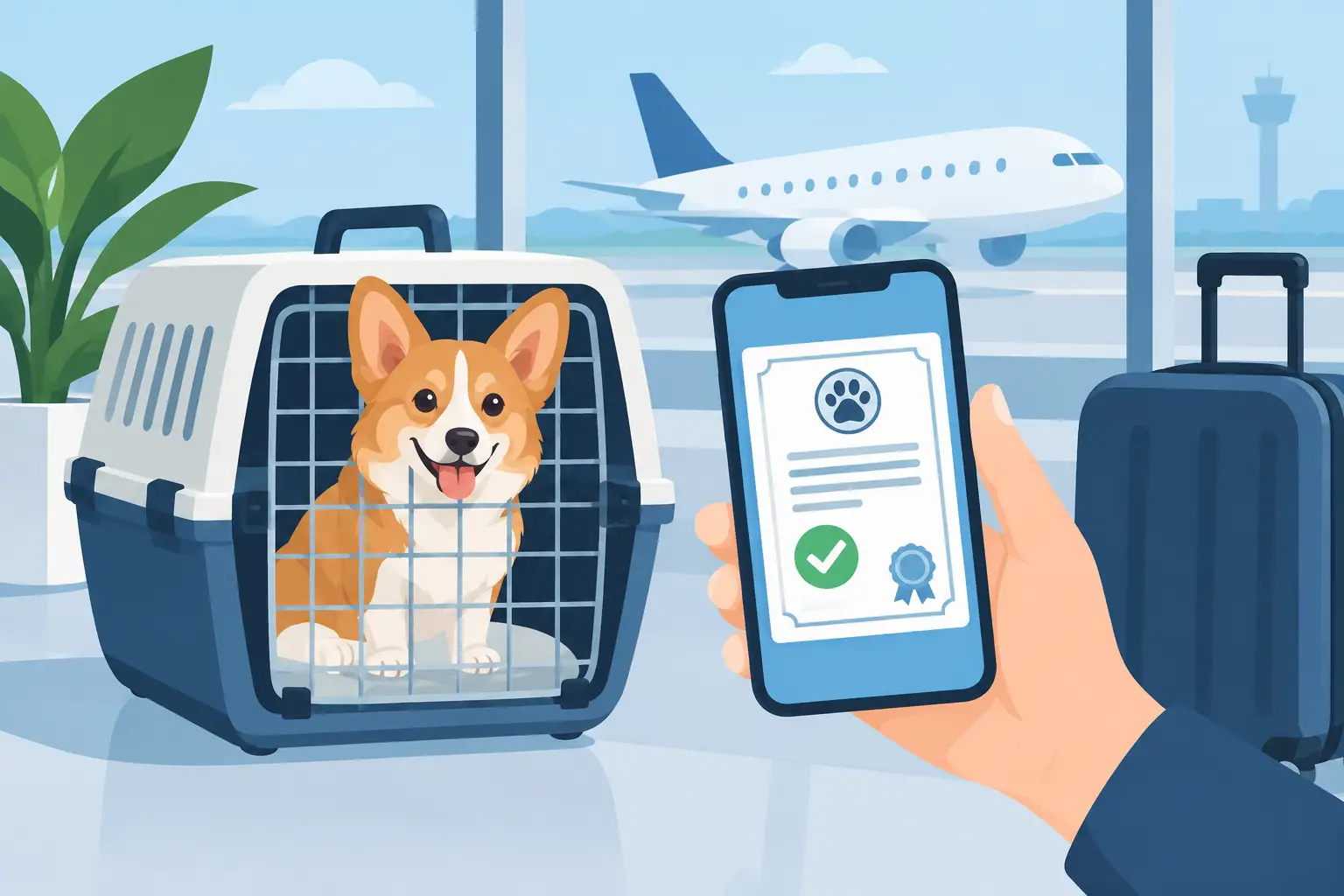
The question, are scanned certificates accepted, usually comes up when you have completed the paperwork, taken a clear photo and want reassurance that your pet can travel. For trips from Great Britain to the EU, a scan is useful for checking details and keeping a backup. It is not normally a substitute for the original, completed Animal Health Certificate (AHC) you need to present when travelling.
That distinction can feel frustrating, particularly when every other part of a holiday is managed on a mobile phone. But pet travel paperwork is checked as an official document. The original certificate, signed and endorsed by an Official Veterinarian where required, is the document that supports your pet’s entry into the EU.
Are scanned certificates accepted at the border?
For EU pet travel from Great Britain, plan on taking the original paper AHC with you. A photograph, PDF, photocopy or scanned printout should be treated as a backup only, not your travel document.
Border officials and transport operators may need to inspect the certificate in person. They need to see that it is the correct document for the pet and journey, that the details are complete, and that it has been signed within the permitted timeframe. A digital image cannot reliably replace the original signed document in that process.
A carrier may ask you to upload documents during an online booking or before departure. That can be helpful for its own checks, but it does not change the rules at the point of entry. An airline, ferry company or rail operator allowing a scan to be uploaded does not guarantee that border control will accept it in place of the original AHC.
The practical rule is simple: keep the original AHC with your passport and travel documents, not in checked luggage or a bag you might leave in the car. Keep a scan on your mobile phone as well, but do not rely on it as your only copy.
Why the original Animal Health Certificate matters
An AHC is not a general letter saying that your pet is fit to travel. It is a time-sensitive, journey-specific document issued for travel from Great Britain to the EU. It records key information such as your pet’s identification, rabies vaccination, owner details, destination and route.
The Official Veterinarian completing the certificate has to review the supporting information and examine the pet before signing it. The certificate must also be issued within the required period before entry into the EU. These safeguards are why the original document matters: it is the signed record connected to that particular animal and journey.
Your pet’s microchip number is especially important. It must match the number recorded on the rabies vaccination evidence and the AHC. A perfectly clear scan cannot fix a mismatch, a missing signature or an incorrect travel date. Equally, an original document with an error may cause a problem at check-in or the border.
The AHC is generally valid for entry to the EU for 10 days from its date of issue, then for onward travel within the EU and certain related countries for four months, or until the rabies vaccination expires, whichever is earlier. Your exact itinerary matters, so always check that your appointment date leaves enough time to travel while remaining within the certificate’s validity.
When a scan is still genuinely useful
Scans have an important place in the process. They are useful before the appointment, when accurate information needs to be prepared, and after issue, when you want a record of what was provided.
Before your AHC appointment, clear photos or scans of your pet’s rabies vaccination record and microchip information help the administration team prepare the paperwork correctly. That reduces avoidable delays and gives time to query anything that does not match. Send complete, readable images rather than cropped screenshots where possible. Dates, microchip numbers, vaccine product details and veterinary entries must be visible.
After the certificate has been issued, save a scan or photo of every page. If the original is lost while you are abroad, the copy can help you explain what was issued and provide information to a vet, carrier or insurer. It is still not a replacement certificate, but it is far better than having no record at all.
A scan can also be useful if a transport provider asks for documents in advance. Submit it promptly if requested, then carry the original on the day. Think of the digital copy as preparation and protection, rather than permission to leave the paper document at home.
What to check before you leave home
The safest time to spot an issue is before your journey begins, when there is still time to get help. Once you are at a port or airport, a missing original or incorrect detail can turn into a stressful and expensive problem.
Check the following carefully:
- The original AHC is in your hand luggage or travel wallet.
- Your pet’s microchip number is correct and matches the supporting vaccination record.
- Rabies vaccination dates meet the requirements for your journey.
- The certificate has been signed and completed by the Official Veterinarian.
- Your departure and EU entry dates fall within the certificate’s validity period.
- Your route includes any additional requirements, such as tapeworm treatment for dogs travelling to certain destinations.
Do not laminate the AHC or alter it in any way. Keep it dry and flat in a clear document wallet. If a page becomes damaged, detached or unreadable, contact the team that arranged the certificate before travelling rather than assuming a photo will solve the issue.
What if you only have a scanned certificate?
If you have a scan but cannot find the original before you travel, do not assume you can board or enter the EU. Contact the veterinary practice or certification service that issued it immediately. The right next step depends on where you are, whether the AHC has already been issued and signed, your departure time, and whether a replacement or a new certificate can be arranged.
A new AHC may require a fresh appointment and examination, because it is a controlled document rather than something that can simply be reprinted from a PDF. If travel is close, tell the provider your exact departure date, intended EU entry point and destination. This gives them the information needed to advise on realistic options.
If you are already abroad and lose the original, speak to a local vet and your transport provider as early as possible. Requirements for returning to Great Britain are not the same as the requirements for entering the EU, and the right documents will depend on your pet’s circumstances. Do not wait until the day of travel to investigate it.
Avoid last-minute certificate problems
Most document problems are preventable. They tend to happen when an owner books the veterinary check too late, sends incomplete vaccination evidence, notices a microchip discrepancy only at the appointment, or assumes the certificate can be handled digitally.
Allow time for the information to be checked before your appointment. This is particularly valuable if you are travelling during school holidays, taking a ferry at a specific time, or travelling with more than one pet. The administrative preparation should happen before the Official Veterinarian sees your pet, so the final appointment can focus on the examination and sign-off.
For repeat travellers, remember that an AHC is not a reusable pet passport. A new certificate is usually needed for each trip from Great Britain to the EU. Keeping a good scan of previous paperwork can make it easier to provide consistent information, but each new journey still needs its own valid original.
Vet Home Certs helps pet owners prepare the information, arrange the veterinary certification step and receive the completed paperwork in time for travel. Whether you need a standard booking, a repeat certificate route or an urgent appointment, the earlier you start, the more options you are likely to have.
Your mobile phone can hold excellent backups, booking confirmations and photos of every page. For the journey itself, give the original AHC the same priority as your own passport: check it before you set off, keep it close, and make sure it travels with your pet.

Leave a Reply